
Contract & Hospitality Lighting Maintenance Guidelines
A practical guide for architects and interior designers on specification requirements for maintainable B2B decorative lighting. Learn how to verify replaceable LED engines, driver accessibility, and long-term spare parts availability before signing off on commercial specifications.
The Problem: How Maintenance Issues Surface on Site
In large commercial projects such as luxury hotels, restaurants, and high-end residential developments, architectural lighting fixtures are frequently treated as purely aesthetic elements during the initial design phases. However, operational realities emerge quickly after handover, when hotel facility management teams face failed light engines or flickering power supplies embedded inside custom decorative installations. Without a clear maintenance strategy defined during specification, minor component failures can force the complete replacement of expensive custom luminaires.
When custom chandeliers or wall sconces are fully sealed or built around non-standard proprietary modules, replacing a single dead LED board becomes a major structural intervention. Scaffolding may need to be erected in active public areas, decorative finishes can be damaged during disassembly, and rooms are removed from inventory. Facilities managers are then forced to compromise by using mismatched off-the-shelf components, severely degrading both the visual output and the color consistency across the property.
These site problems stem directly from a gap between interior architecture drawings and technical lighting engineering. Specifiers often focus on dynamic CCT, lumens, and exterior metal finishes while omitting structural access requirements for internal electronics. Establishing clear maintainability criteria during the FF and E procurement process prevents these operational bottlenecks, ensuring that luxury hospitality venues maintain their intended ambiance and performance for years without requiring costly structural repairs.
Key Metrics: What They Really Indicate
Evaluating the true commercial lifespan of a custom luminaire requires looking beyond standard operational metrics like L80B10 hours. While LED chips may be rated for fifty thousand hours of operational life, the driver powering them often fails much earlier due to thermal stress or voltage fluctuations. Understanding the exact modular construction of the light engine and power supply provides a realistic picture of how easily a fixture can be serviced during routine hotel operations.

Thermal management efficiency directly impacts component longevity, particularly in compact decorative housings where heat dissipation is limited. Specifiers must examine how the LED PCB is thermally coupled to the metal housing and whether the LED board can be unscrewed without damaging the surrounding decorative brass or mouth-blown glass. A modular system with standard Zhaga-compliant mounting hole patterns ensures that replacement boards can be sourced and installed without requiring custom fabrication.
Color consistency over time is another critical metric that relies on component serviceability. When an isolated fixture fails in a continuous linear run or a clustered hotel lobby display, replacing the light engine with an uncalibrated board creates obvious visual discrepancies in color temperature and rendering. Specifying standardized LED modules and documenting exact binning codes allows site engineers to replace individual light engines while keeping visual consistency identical across the entire venue.
| What | Value | When |
|---|---|---|
| Replaceable LED Light Engine | Mechanical mounting via standard screws (no glue or potting) | Mandatory during shop drawing review for all decorative fixtures |
| Driver Accessibility | Max 5 minutes access time via standard ceiling hatch or removable canopy plate | Mandatory during MEP ceiling coordination and fixture detailing |
| Spare Parts Availability Guarantee | Minimum 5 to 10 years guaranteed supply of identical or compatible components | Mandatory clause in procurement contract prior to order confirmation |
The Thresholds: Replaceable LED, Accessible Driver, Spare Parts Availability
To ensure sustainable operational performance, contract specifications must mandate specific technical design thresholds. The first critical threshold requires that all LED light engines be mechanically removable using standard tools, avoiding permanent potting compounds, glues, or destructive crimped housings. Every decorative luminaire must feature a modular light engine secured by mechanical fasteners, enabling localized replacement directly on site without dismantling the primary decorative structure.
The second threshold focuses on driver accessibility and remote housing protocols. Integrated drivers inside decorative ceiling roses or wall canopies must be serviceable through accessible magnetic access plates or standard ceiling cutouts. If the fixture design necessitates remote driver placement due to space constraints or aesthetic proportions, the maximum wiring distance, cable cross-section, and dedicated access panel locations must be explicitly defined within the architectural ceiling drawings prior to installation.
The third threshold establishes a binding commitment for long-term spare parts availability. Manufacturers must guarantee the supply of identical or mechanically and electrically compatible replacement light engines, diffusers, and power supplies for a minimum period after project completion. This requirement prevents premature obsolescence and protects the asset owner from having to replace entire luminaire families when a single driver or glass shade is damaged during routine maintenance.

How to Draft Technical Specifications
Drafting robust tender documentation requires explicit mechanical and electrical clauses within the FF and E lighting schedule. Rather than simply requesting a decorative pendant, specifications should mandate modular internal construction, specified driver placement, and clear dismounting protocols. Specifying compliance with standard mechanical fixings and requiring removable optical assemblies protects the design intent while giving contractor teams an unambiguous baseline for procurement.
Technical clauses must explicitly ban non-serviceable sealed optical chambers unless strict IP65 or IP67 ratings require vacuum sealing, in which case a quick-disconnect external driver wiring harness must be provided. The tender documentation should mandate that manufacturers submit exploded assembly drawings alongside photometric files. These drawings must clearly highlight maintenance access points, fastener types, and step-by-step disassembly sequences required to access the LED board and power supply.
Furthermore, specifications must define the exact hand-over deliverables required from the lighting manufacturer upon project completion. Contract documents should require a complete maintenance manual detailing part numbers, LED PCB electrical parameters, driver output currents, and optical shade replacement procedures. Establishing these documentation requirements during the specification stage ensures that the building management team receives all technical data needed to operate and maintain the lighting scheme efficiently.
Costly Post-Handover Mistakes
One of the most frequent mistakes in hospitality lighting procurement is accepting decorative fixtures where the driver is permanently sealed inside the decorative body without adequate ventilation. During continuous operation, heat builds up rapidly within unvented housings, leading to driver thermal shutdown or premature capacitor failure. Rectifying this error post-handover requires complete fixture replacement, causing unnecessary operational downtime for hotel operators.
Another major error occurs when remote driver locations are not coordinated between the lighting specification and the ceiling coordination drawings. When drivers are concealed behind finished plasterboard ceilings without access hatches, routine power supply maintenance requires cutting open finished walls or ceilings. This oversight generates substantial repair costs, damages expensive wall coverings, and creates friction between project managers, interior designers, and client facility teams.
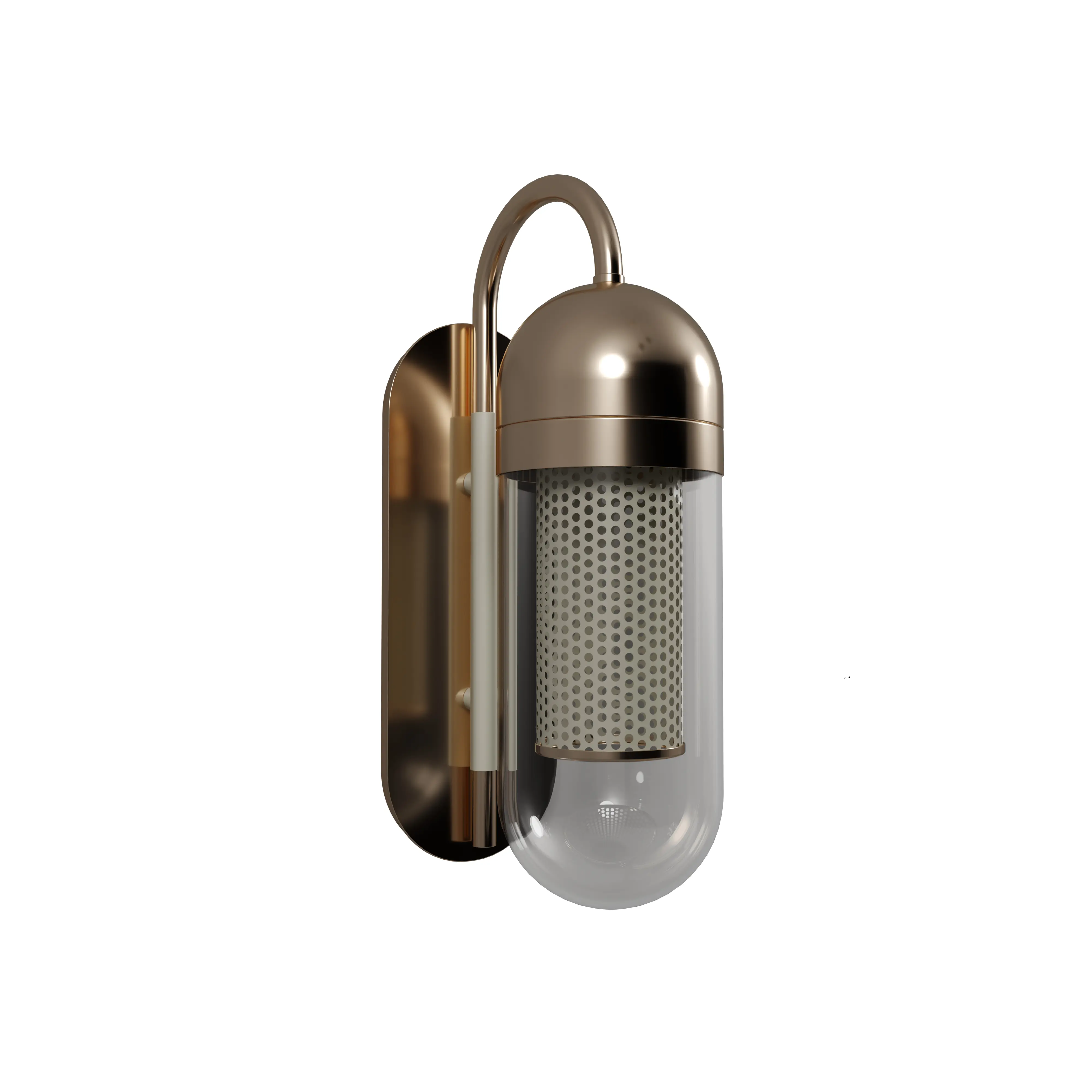
Failing to contractually lock in spare parts supply periods during the procurement phase represents a significant long-term financial risk. If a custom mouth-blown glass shade breaks three years after handover and the manufacturer has discarded the custom mold, replacing that single piece becomes impossible. The owner is then forced to replace all matching fixtures within the space to maintain aesthetic continuity, turning a minor maintenance issue into an unbudgeted capital expenditure.
Questions to Ask the Lighting Supplier
Before signing procurement agreements or approving shop drawings for custom decorative lighting, architects and specifiers must conduct a rigorous technical review with the supplier. Asking targeted questions regarding internal construction, thermal management, driver housing, and spare parts availability helps identify potential maintenance bottlenecks while design modifications can still be made without impacting project timelines.
Direct technical dialogue ensures that the supplier takes full responsibility for the maintainability of their fixtures. By requiring clear documentation, physical samples showing access mechanisms, and written guarantees on component longevity, specifiers protect both their design vision and the client capital investment. The following structured questions should be formally presented to prospective manufacturing partners during the tender evaluation process.
What to ask the supplier
- Can the internal LED light engine be unbolted and replaced on site using standard hand tools without removing the main fixture housing from the ceiling?
- Where is the driver located, and what specific access mechanism is provided to service or replace it without damaging the surrounding architectural finishes?
- Are the LED modules built using standardized Zhaga-compliant dimensions, or are they custom proprietary shapes unique to this production run?
- What is the exact written guarantee period for the availability of spare glass shades, custom metal housings, and matching LED driver modules?
- Can you provide an exploded assembly drawing showing the step-by-step disassembly process required for routine electronic maintenance?
Access decides the maintenance cost more than the fitting does
Two identical fittings can differ by an order of magnitude in what they cost to service, and the difference is not in the product: it is in how somebody reaches them. A piece at three metres over a floor is a stepladder; the same piece over a stairwell or a swimming pool is a scaffold, a lift or a rope team.
That means the maintenance budget of a building is largely decided at the moment the fittings are positioned, months before anybody writes a maintenance plan. A pendant moved two metres sideways can change a yearly cost permanently.

It is worth asking the question while the reflected ceiling plan is still a drawing: how will somebody stand here. Where there is no good answer, either the position moves or the fitting has to be one that can be lowered.
The cleaning cycle is a maintenance decision nobody writes down
Light output falls as fittings soil, and it falls fastest where the air carries most — kitchens, entrances, anywhere near a road. The maintenance factor in the lighting calculation assumes a cleaning interval, and that assumption is almost never passed on to the people who will actually clean.
The result is a building that meets its design values on day one and drifts below them without anybody noticing, because the change is gradual and the eye adapts to it.
Closing the loop costs one line in the handover information: the interval the calculation assumed, and which fittings it applies to. It turns an invisible assumption into a task somebody can schedule.
The first year is not representative
Failures in an electrical installation cluster at the beginning and then settle. Components that were going to fail early fail in the first months, often for reasons that have nothing to do with quality — handling during installation, a connection under strain, a batch fault.
Judging a supply on that first period is therefore misleading in both directions: a rash of early failures is not evidence of a bad product, and a quiet first year is not evidence of a good one.
The useful measure is the second and third year, and the useful arrangement is a warranty that runs from the date the building opens rather than from the date of delivery. On a supply that sits in storage for six months, that single clause is worth half a year of cover.
In short
- Prioritise modular light engine designs that allow mechanical disassembly and localized component replacement directly on site.
- Coordinate driver locations and access hatches on architectural drawings before finalizing ceiling schedules and plasterboard layouts.
- Lock in contractual long-term spare parts availability commitments with manufacturers prior to issuing final purchase orders.
- Require exploded structural drawings and complete maintenance manuals as mandatory tender deliverables for all custom hospitality fixtures.
A project under way?
Upload the specification or configure the rooms: the bill of quantities comes back with fittings and quantities, ready for your next meeting.
Open the advisor